
Sanctions helped break the oil machine. Now they’re the hidden traps that can stop the money meant to rebuild it.
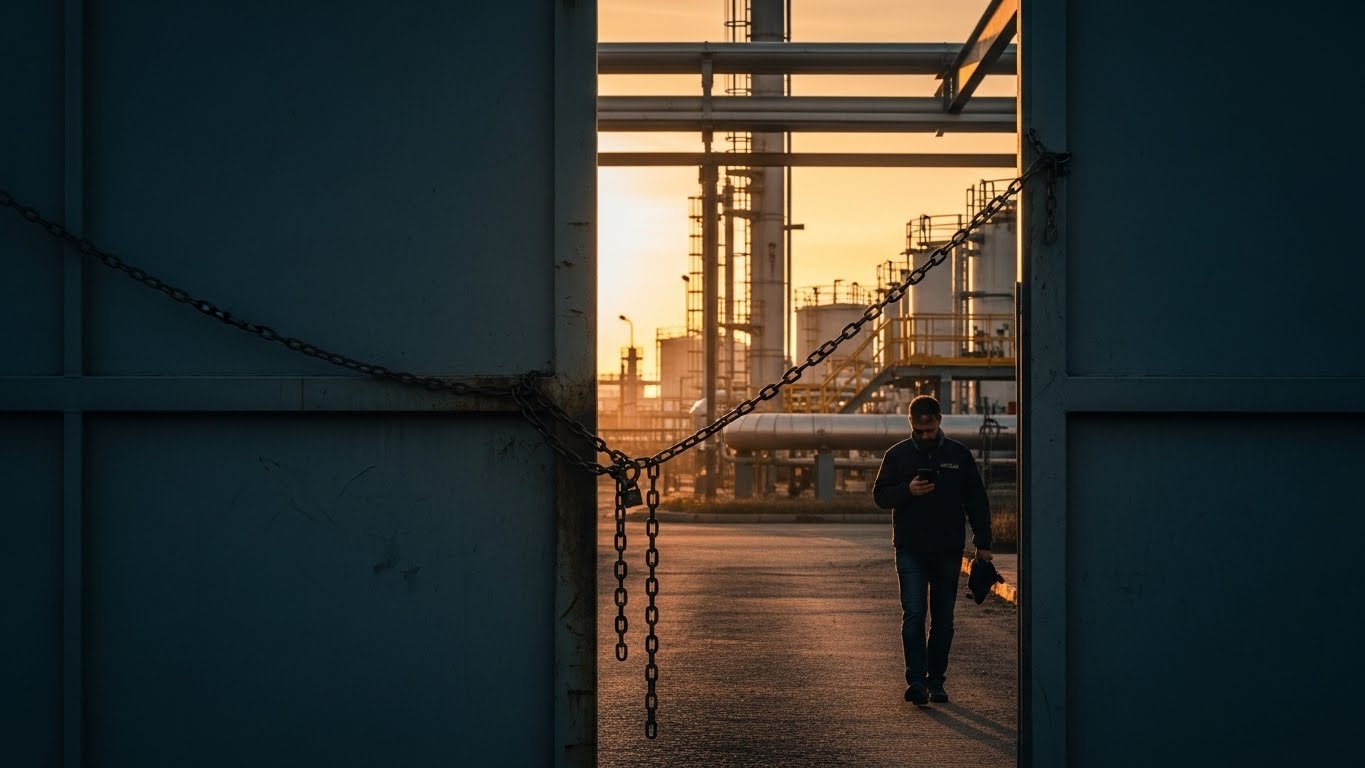
In the pitch, it sounds almost clean.
Venezuela has the reserves. The U.S. wants barrels. The White House wants influence. The investment numbers being floated are huge — and the storyline writes itself: sanctions squeezed the industry, now the taps reopen, and capital rushes in to rebuild what was lost.
Then someone in the room asks the question that doesn’t fit in a headline:
“Open… under which license?”
Because “de-sanctioning oil” rarely means a country is suddenly normal again. More often it means permissioned commerce: narrow authorizations, specific counterparties, conditional activity, and banks that still have to decide whether they want the risk.
And that’s the central trap of the current moment.
Sanctions were powerful enough to help choke Venezuela’s oil sector — not as the sole cause (decades of mismanagement and underinvestment matter), but as a force that accelerated decline and deepened the financing and operational freeze. The U.S. Congressional Research Service puts it bluntly: Venezuela’s oil sector fell for a “range of factors, including corruption, mismanagement, and U.S. sanctions,” with production dropping below 1 million barrels per day by 2019 and below 0.5 million in 2020 before partially recovering.
But once you build a sanctions wall that strong, you don’t just “turn it off.” You inherit it — in every payment, contract, cargo, and counterparty.
So if Trump’s vision is a rapid capital-and-technology surge into Venezuela’s oil infrastructure, the question isn’t only whether barrels can move.
It’s whether money can move cleanly, legally, and bankably — without getting stuck in the machinery sanctions created.
The collapse and the rebuild problem are the same story#
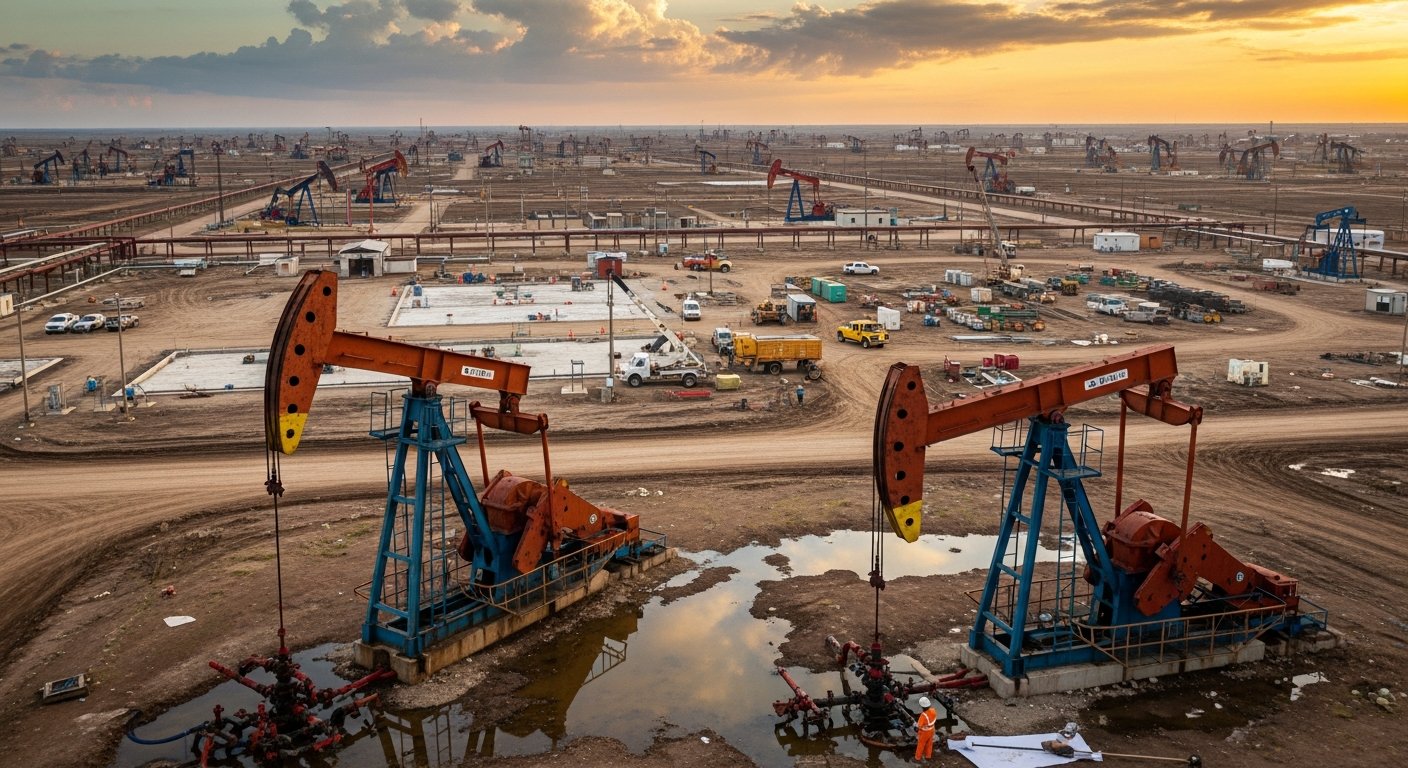
Venezuela’s production decline isn’t a mystery. It’s a long arc.
CRS notes that when Hugo Chávez took office in 1999, crude production was around 3 million barrels per day; by 2013 it was about 2.7 million; during Maduro’s presidency it fell below 0.5 million in 2020, later rising to just above 1.0 million by August 2025.
Now layer sanctions onto that already-degrading system: the financing dries up, the counterparties change, the workaround economy grows, and the industry learns to survive through opacity.
Fast forward to this month’s reporting: Reuters says European firms like Repsol and Maurel & Prom are applying for U.S. licenses to export Venezuelan oil, and that the U.S. Treasury has described plans to ease sanctions that have been in place since 2019.
At the same time, Reuters reports Trump urging major oil corporations to invest $100 billion in Venezuela’s oil sector following a deal to supply the U.S. with 50 million barrels of crude.
That is exactly the transition point where traps appear. Because the sanctions system doesn’t just restrict Venezuela. It restricts everyone who touches Venezuela — banks, insurers, shippers, traders, service companies, even investors who never set foot near a wellhead.
OFAC’s own framing is unambiguous: certain Venezuela-related activity may be allowed if it is licensed by OFAC.
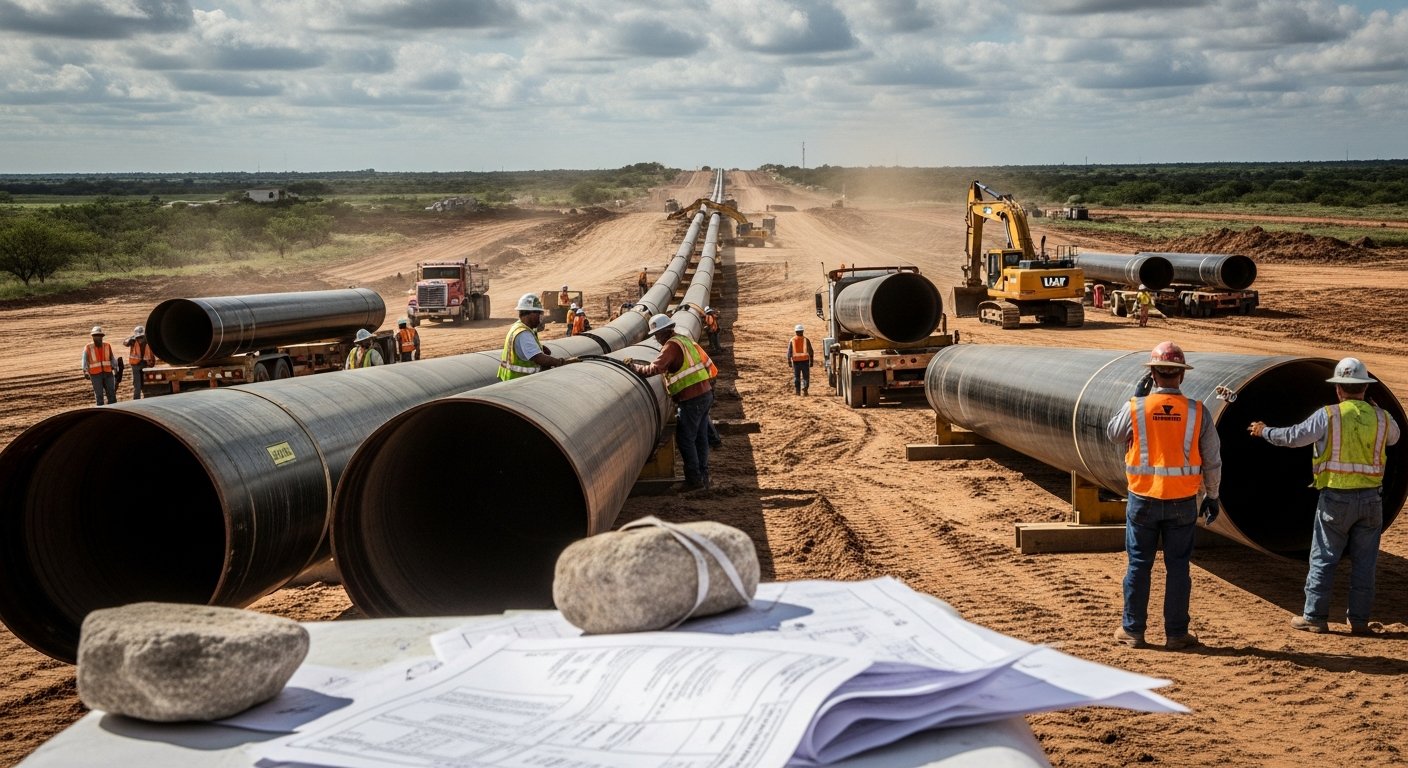
The “rebuild” therefore becomes a game of narrow corridors — and those corridors move.
The traps that remain#
The License Maze Trap#
Relief doesn’t arrive as a sweeping “Venezuela is back.” It arrives as a pile of permissions: general licenses, specific licenses, interpretations, FAQs, and conditions — with different institutions reading the same sentence differently.
That’s not theory. Reuters’ reporting is literally the market behaving this way right now: firms seeking licenses, talk of expanded licenses for Chevron, and an authorization system acting as the gatekeeper to trade.
The trap: a deal can be commercially attractive and politically supported, and still be unbankable if the license scope is unclear, time-limited, or too narrow for the actual transaction chain.
The Banking Trap#
A license isn’t the end of the conversation — it’s the start of a risk committee meeting.
Banks remember enforcement. They remember the cost of getting it wrong. They remember that sanctions risk is not just fines; it’s correspondent relationships, reputational exposure, and internal compliance load.
So even when activity is legal, payment rails can remain hostile. In practice, oil can move faster than money — and “approved” trade can still become a stranded receivable.
The trap: investors think the obstacle is Caracas. Often, it’s New York compliance.

The Counterparty and Ownership Trap#
Venezuela’s oil economy pulls gravity toward state-linked structures and legacy intermediaries. That doesn’t mean everything is prohibited — but it means counterparties can be complex, layered, and politically exposed.
The compliance question becomes relentless:
- Who is the actual counterparty?
- Who benefits?
- Who controls the entity?
- Who is being paid, directly or indirectly?
Even with licenses, banks and corporates often demand clean proof of ownership, control, and permissions. And in sanction-heavy environments, that proof is frequently the hardest product to source.
The trap: the deal is “legal” at the top line, but fails because you can’t evidence the chain.
The Shipping and Insurance Trap#
Sanctions don’t stop oil from moving. They change how oil moves.
Workarounds appear: flag changes, ownership shells, odd routing, ship-to-ship transfers, opaque insurers, “shadow” logistics.
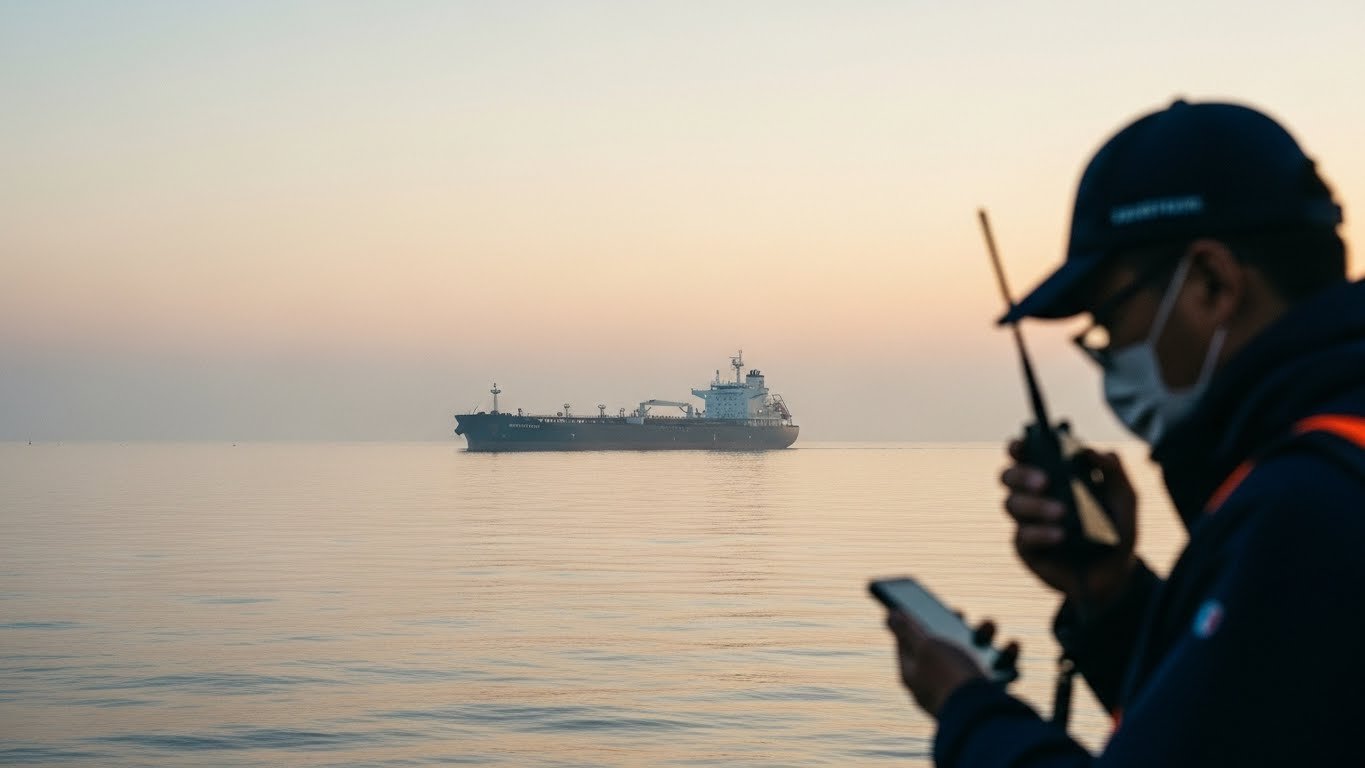
And that’s not abstract either. The AP is reporting another U.S. seizure of a sanctioned tanker it says is tied to Venezuela as part of a broader effort to control oil flows — explicitly describing a “shadow fleet” dynamic used to circumvent sanctions.
The trap: one contaminated cargo can poison a whole supply chain — and suddenly your compliance team is trying to explain a vessel history to a bank that wants certainty, not stories.
The Proceeds Trap#
Everyone talks about barrels. Sanctions professionals talk about proceeds.
Where does the money land? Who touches it? How is it released? Under what conditions? Are there escrow arrangements? Is repayment allowed? Is reinvestment allowed? Are there restrictions on who receives fees?
This is where “de-sanctioning oil” most often reveals what it really is: permission to do one part of a transaction, under constraints designed to control what happens next.
OFAC’s Venezuela program is built around licensing and authorization logic — not broad normalization.
The trap: the first transaction clears, and the second one freezes — because the proceeds path wasn’t as licensed as the cargo.
The Price Trap#
Even if the legal corridor opens, the financial corridor might not.
Right now, the U.S. Energy Information Administration is forecasting that Brent will average $56 per barrel in 2026(and $54 in 2027), with crude prices falling through 2026 as global production growth drives inventory builds.
That matters because Venezuela’s recovery isn’t a “paint job.” It’s capital-intensive: wells, diluents, pipelines, power, safety systems, refineries, spare parts, chemicals, expertise. Low prices compress margins and stretch payback periods.
Lower prices also create a behavioural problem: when margins tighten, the incentive to cut corners grows — and corner-cutting in sanctioned environments often looks exactly like the patterns compliance teams are trained to stop.
The trap: the economics push participants toward the same workaround behaviours that created risk in the first place.
The Snapback Trap#
Sanctions relief can be reversible. Investors hate reversibility because it turns infrastructure into stranded assets.
When licenses are time-bound or politically contingent, it changes the entire investment calculus:
- shorter time horizons
- higher required returns
- more reliance on traders and intermediaries
- less appetite for long-build projects
The trap: optimism outruns permanence.

What “money flowing in” actually requires#
When sanctions ease, the winners aren’t the loudest promoters. They’re the teams who can prove what they’re doing is permitted, and who can document decisions with enough clarity that banks and partners will move with them.
That means building a process that can answer, quickly and defensibly:
- What authorization covers this activity?
- Who are the parties, owners, and controllers?
- What is the vessel / cargo / logistics history?
- How are proceeds routed, and who touches them?
- What red flags trigger escalation?
- What evidence do we retain if anyone asks later?
Not because you expect trouble — but because in sanction-heavy markets, uncertainty is the product you’re really selling to counterparties. Your job is to reduce it.
Working in the grey zone?#
Sanctions rarely end cleanly. They taper, fragment, and leave institutions operating in narrow, moving corridors.
If you’re trying to keep transactions moving while still being able to prove what you did and why, we’re here to help.
→ Start a conversation with Anqa
Sources and further reading#
- OFAC’s Venezuela-related sanctions hub (general licenses, guidance, applying for a license).
- CRS Insight on Venezuela’s oil sector decline, production history, and the role of mismanagement plus sanctions.
- EIA Short-Term Energy Outlook (January 2026) on Brent price expectations and oversupply dynamics.